Choosing the right food bowl for your pet may seem like a simple task, but it’s more important than you might think. The right bowl can improve your pet’s eating experience, promote better digestion, and even prevent health issues like whisker fatigue or neck strain. With so many options available—ranging from basic plastic bowls to high-tech stainless steel or ceramic designs—it’s essential to understand the pros and cons of each type.
Choosing the right food bowl for your pet may seem like a simple task, but it’s more important than you might think. The right bowl can improve your pet’s eating experience, promote better digestion, and even prevent health issues like whisker fatigue or neck strain. With so many options available—ranging from basic plastic bowls to high-tech stainless steel or ceramic designs—it’s essential to understand the pros and cons of each type.
1. Why the Right Food Bowl Matters
Comfort and Ergonomics
The right food bowl ensures your pet can eat comfortably without straining their neck or whiskers. Elevated bowls, for example, are ideal for larger dogs or pets with arthritis.
Hygiene and Safety
Some materials, like plastic, can harbor bacteria or cause allergic reactions. Choosing a non-toxic, easy-to-clean bowl reduces the risk of contamination and keeps your pet safe.
Preventing Health Issues
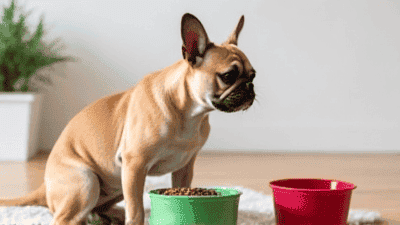
Flat-faced breeds (e.g., Bulldogs, Persians) and pets with long whiskers can benefit from shallow or wide bowls that prevent whisker fatigue and discomfort.
Durability and Longevity
A high-quality bowl made from durable materials like stainless steel or ceramic can last for years, saving you money in the long run.
2. Factors to Consider When Choosing a Food Bowl
Material
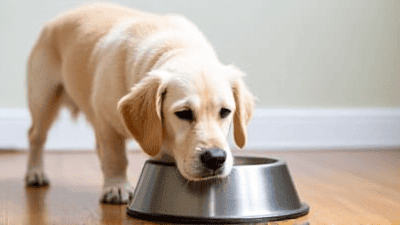
The material of the bowl affects its durability, safety, and ease of cleaning. Common materials include plastic, stainless steel, ceramic, and silicone.
Size and Depth
Choose a bowl that’s the right size for your pet’s breed and eating habits. Larger dogs need bigger bowls, while shallow bowls are better for flat-faced breeds.
Shape
The shape of the bowl can impact your pet’s eating experience. Wide, shallow bowls are ideal for pets with whisker fatigue, while deeper bowls are better for messy eaters.
Stability
A stable bowl prevents tipping and spilling, especially for active or enthusiastic eaters. Look for bowls with non-slip bases or weighted designs.
Ease of Cleaning
Bowls that are dishwasher-safe or easy to hand-wash save time and ensure proper hygiene.
Design and Aesthetics
While not a primary concern, the design and color of the bowl can complement your home décor and reflect your pet’s personality.
3. Types of Food Bowls and Their Pros and Cons
Plastic Bowls
Pros:
- Affordable and widely available
- Lightweight and easy to carry
Cons:
- Can harbor bacteria and cause allergic reactions
- Prone to scratches and wear over time
- Not as durable as other materials
Best For: Temporary use or pet owners on a budget.
Stainless Steel Bowls
Pros:
- Durable and long-lasting
- Easy to clean and dishwasher-safe
- Resistant to bacteria and rust
- Non-toxic and safe for pets
Cons:
- Can be noisy when moved
- Some designs may slide around during use
Best For: Most pets, especially those with allergies or sensitivities.
Ceramic Bowls
Pros:
- Stylish and available in various designs
- Heavier and more stable than plastic
- Easy to clean if glazed
Cons:
- Can chip or crack if dropped
- May harbor bacteria if unglazed or improperly cleaned
Best For: Pet owners who prioritize aesthetics and stability.
Silicone Bowls
Pros:
- Lightweight and portable
- Flexible and easy to store
- Non-toxic and safe for pets
Cons:
- Not as durable as stainless steel or ceramic
- Can retain odors if not cleaned properly
Best For: Travel or outdoor use, such as camping or hiking.
Elevated Bowls
Pros:
- Reduces neck strain and improves posture
- Ideal for larger dogs or pets with arthritis
- Keeps food and water off the ground, reducing mess
Cons:
- Takes up more space
- Not ideal for small pets or flat-faced breeds
Best For: Large dogs, senior pets, or those with joint issues.
Slow Feeder Bowls
Pros:
- Encourages slower eating, reducing the risk of bloat or choking
- Provides mental stimulation
- Available in various materials and designs
Cons:
- May be challenging for pets to adapt to
- Harder to clean due to intricate designs
Best For: Pets that eat too quickly or need mental enrichment.
Collapsible Bowls
Pros:
- Compact and portable
- Ideal for travel or outdoor activities
- Easy to store
Cons:
- Less durable than other types
- May not hold as much food or water
Best For: Pet owners who travel frequently or enjoy outdoor adventures.
4. Special Considerations for Different Pets
Dogs
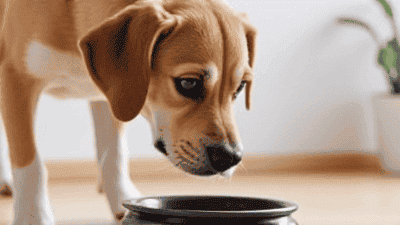
- Large Breeds: Opt for larger, elevated bowls to reduce neck strain.
- Flat-Faced Breeds: Choose shallow, wide bowls to prevent whisker fatigue and make eating easier.
- Messy Eaters: Deep, non-slip bowls or slow feeders can help contain spills.
Cats
- Whisker-Friendly Bowls: Wide, shallow bowls prevent whisker fatigue.
- Stable Designs: Heavy or weighted bowls prevent tipping during use.
- Aesthetic Options: Ceramic or stylish bowls can complement your home décor.
Small Animals
- Easy-to-Clean Materials: Stainless steel or ceramic bowls are ideal for rabbits, guinea pigs, and hamsters.
- Compact Size: Choose small, lightweight bowls that fit comfortably in their enclosure.
5. Top Food Bowl Recommendations
Stainless Steel Bowls
- Petmate Reversible Bowl: A durable, double-sided bowl with a non-slip base.
- Loving Pets Bella Bowl: Features a rubberized bottom for added stability.
Ceramic Bowls
- Pawdentify Cat Bowls: Stylish, shallow bowls designed for whisker-friendly eating.
- Outward Hound Fun Feeder: A slow feeder bowl with fun, interactive designs.
Elevated Bowls
- Neater Feeder Deluxe: Combines an elevated feeding station with a spill-proof design.
- Adjustable Elevated Dog Bowls: Height-adjustable bowls for customized comfort.
Slow Feeder Bowls
- Omega Paw Tricky Treat Ball: A slow feeder toy that doubles as an interactive activity.
- Outward Hound Fun Feeder Slo Bowl: Available in multiple difficulty levels for added challenge.
6. Tips for Maintaining Your Pet’s Food Bowl
Regular Cleaning
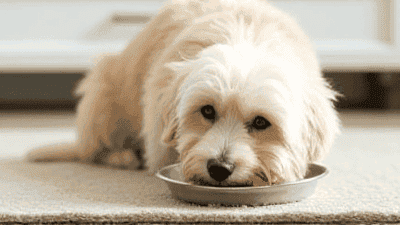
Wash your pet’s bowl daily with hot, soapy water to prevent bacteria buildup. Dishwasher-safe bowls are easy to sanitize.
Check for Damage
Inspect the bowl regularly for cracks, chips, or wear. Replace damaged bowls to ensure your pet’s safety.
Rotate Bowls
Having multiple bowls allows you to rotate them, ensuring your pet always has a clean option available.
Store Properly
Store bowls in a clean, dry area to prevent contamination or odors.
7. Common Mistakes to Avoid
Using Low-Quality Materials
Avoid cheap plastic bowls that can harbor bacteria or cause allergic reactions.
Ignoring Your Pet’s Needs
Choose a bowl that suits your pet’s breed, size, and eating habits, rather than focusing solely on aesthetics.
Neglecting Cleaning
Dirty bowls can lead to bacterial growth and health issues. Make cleaning a daily habit.
8. Frequently Asked Questions About Food Bowls
Should I Use Separate Bowls for Food and Water?
Yes, it’s best to use separate bowls for food and water to maintain hygiene and prevent contamination.
How Often Should I Replace My Pet’s Bowl?
Replace the bowl if it shows signs of wear, damage, or bacterial buildup. Stainless steel and ceramic bowls typically last longer than plastic.
Are Elevated Bowls Safe for All Pets?
Elevated bowls are generally safe but may not be suitable for small dogs or flat-faced breeds. Consult your vet if unsure.